
Introduction
The Tesla Model Y Long Range stands out in the electric vehicle market due to its impressive battery capabilities. Understanding the battery size of this model is essential for potential buyers and electric vehicle enthusiasts who are keen on performance, range, and overall efficiency. A comprehensive knowledge of the battery specifications can help you make informed decisions, whether you are contemplating a purchase or simply satisfying your curiosity.
Understanding the Tesla Model Y Long Range
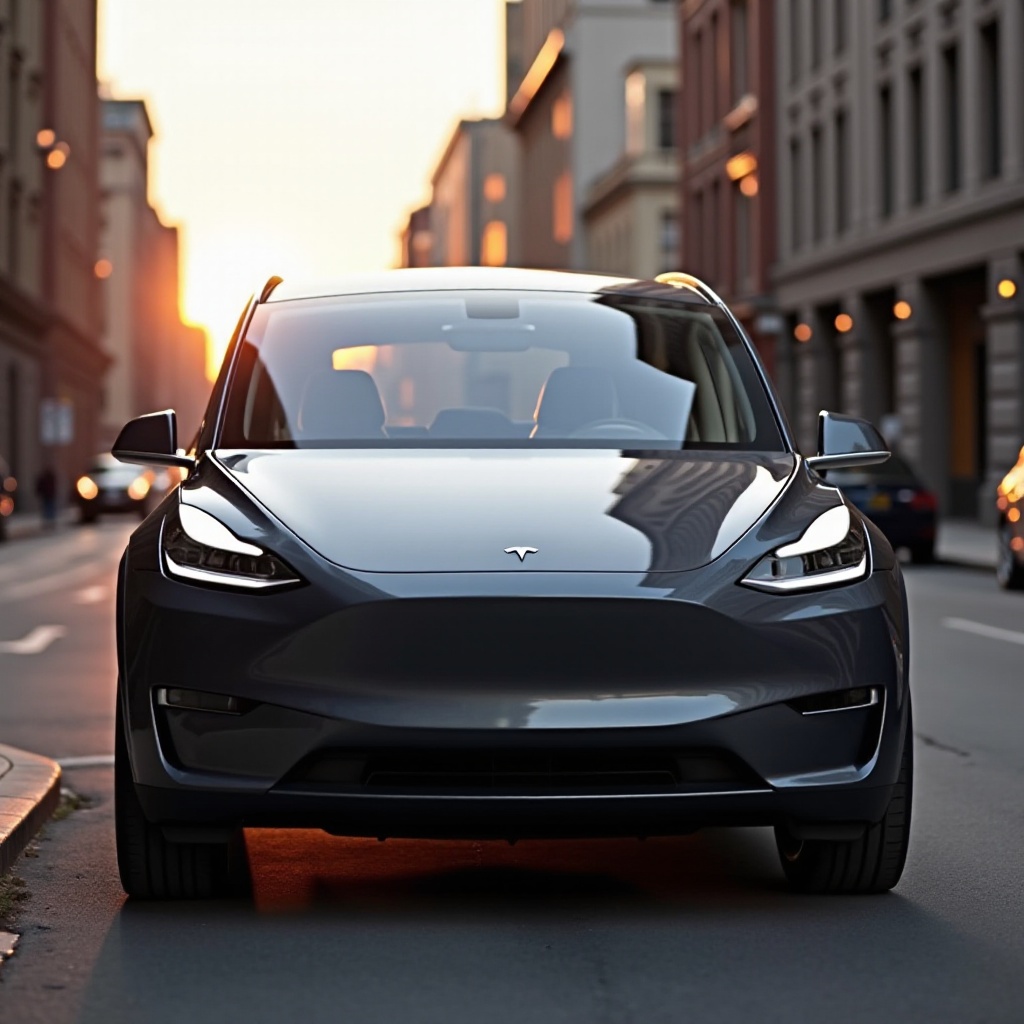
The Tesla Model Y Long Range is a versatile electric SUV that combines practicality with advanced technology. This model boasts an impressive range, making it a top choice for drivers looking to transition to electric vehicles without sacrificing convenience or performance. Equipped with an array of cutting-edge features, the Model Y Long Range offers an optimal balance of style, comfort, and sustainability, appealing to a broad demographic, including families and tech-savvy individuals.
One of the defining aspects of the Model Y Long Range is its battery performance. Unlike traditional combustion engines, electric vehicles rely entirely on battery capacity for their power and range. Hence, the battery size of the Model Y Long Range plays a pivotal role in determining its overall functionality, influencing everything from driving dynamics to the frequency of charging.
Detailed Analysis of the Model Y Long Range Battery Size
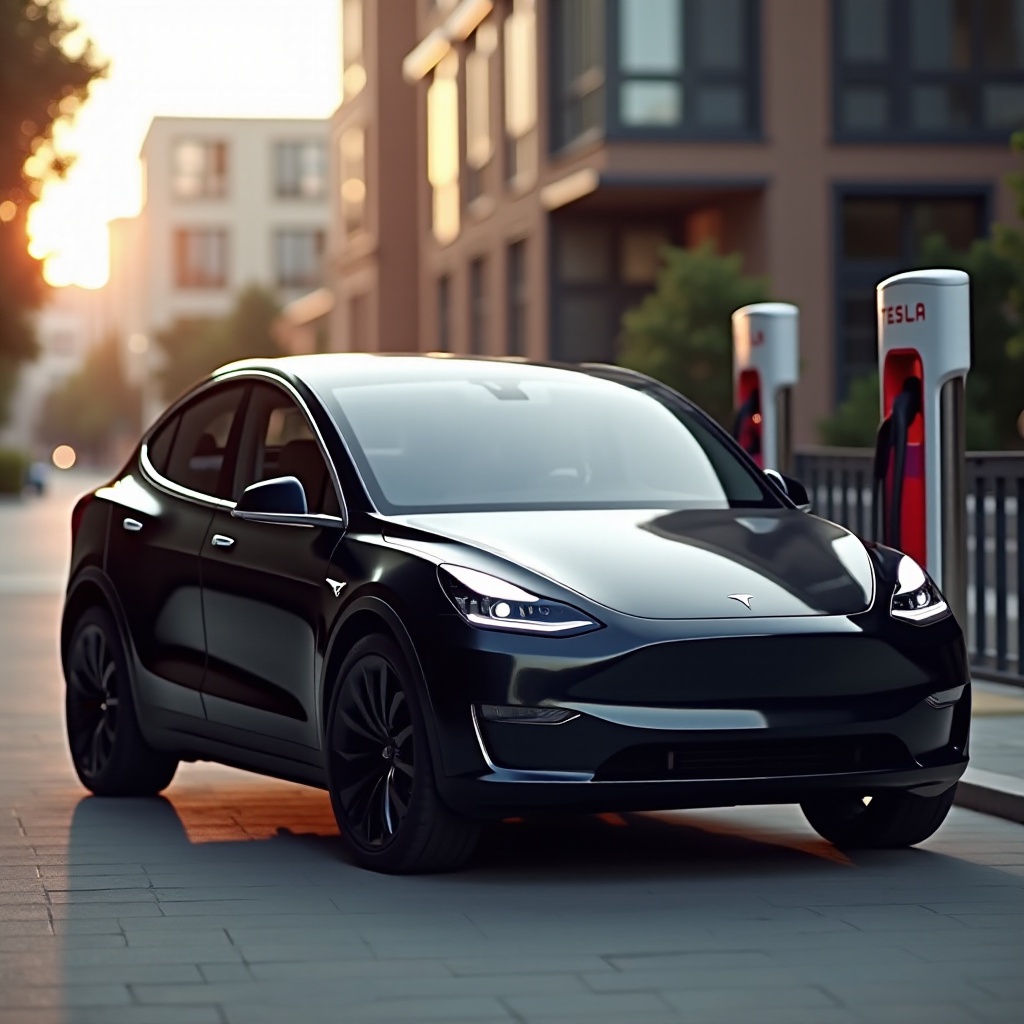
Understanding the specifics of the battery size of the Tesla Model Y Long Range is crucial. The Model Y Long Range is equipped with a 75 kWh battery pack, which is designed to store a significant amount of energy for extended driving. This 75 kWh battery pack is composed of thousands of lithium-ion cells arranged meticulously within the vehicle’s chassis.
These cells are renowned for their energy density and longevity, crucial factors that contribute to the Model Y’s impressive range and performance. A larger battery capacity translates to a longer driving range, which is a significant advantage for electric vehicle owners.
The Model Y Long Range can comfortably cover over 316 miles on a single charge under optimal conditions, making it suitable for both daily commutes and long-distance travel. This range capability addresses one of the main concerns of electric vehicle adoption – range anxiety – providing drivers with confidence in the vehicle’s endurance.
Additionally, Tesla’s commitment to innovation ensures that the battery of the Model Y Long Range includes advanced thermal management systems. These systems maintain the battery within an optimal temperature range, enhancing its efficiency and lifespan. Thus, the Model Y Long Range not only delivers in terms of immediate performance but also offers long-term reliability.
Battery Performance and Real-World Usage
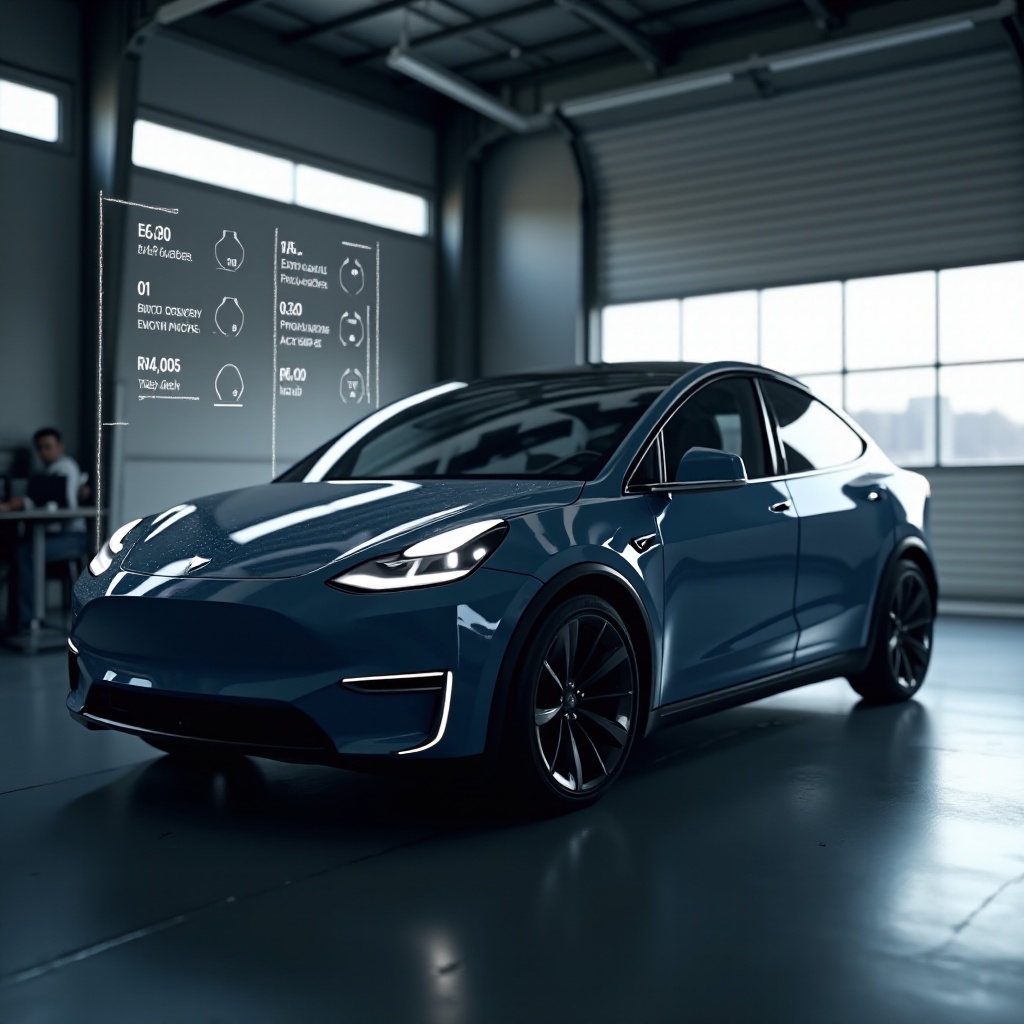
While the theoretical specifications of the Model Y Long Range’s battery are impressive, real-world usage provides a clearer picture of its performance. Actual range can be influenced by various factors such as driving habits, road conditions, and climate, but the 75 kWh battery pack holds up exceptionally well in diverse scenarios.
In urban settings, frequent stops and starts typically demand more from an electric vehicle’s battery. However, the regenerative braking system in the Model Y Long Range helps to minimize energy loss by converting kinetic energy back into stored electrical energy. This feature not only extends the vehicle’s range but also reduces wear on the braking system.
On the highway, the Model Y Long Range’s aerodynamic design works hand-in-hand with its substantial battery size to enhance efficiency. Consistent speeds and optimized aerodynamics ensure that the vehicle can achieve its maximum range without unnecessary energy expenditure.
In colder climates, electric vehicle batteries generally face performance challenges. However, Tesla has incorporated sophisticated thermal management systems in the Model Y Long Range to mitigate the effects of extreme temperatures. This ensures that the vehicle performs reliably regardless of environmental conditions.
Implications for New Energy Vehicles
The Tesla Model Y Long Range sets a standard for what can be achieved with electric vehicle battery technology. The 75 kWh battery pack represents a leap forward in energy storage and efficiency, highlighting the potential for future advancements in electric mobility.
For new energy vehicles, this battery specification underscores the importance of continuous innovation. As battery technology evolves, we can expect even greater capacities, faster charging times, and increased vehicle ranges, further reducing the dependency on fossil fuels and accelerating the transition to sustainable transport.
The success of the Model Y Long Range also prompts other manufacturers to elevate their electric vehicle offerings, fostering healthy competition and driving industry-wide improvements. Ultimately, this benefits consumers through enhanced choices and better-performing vehicles.
Conclusion
The Tesla Model Y Long Range, with its 75 kWh battery pack, stands as a testament to the remarkable advancements in electric vehicle technology. Its substantial battery capacity contributes significantly to its long range, performance, and overall reliability, making it a compelling choice for those looking to embrace the future of transportation.
Frequently Asked Questions
What is the battery capacity of the Tesla Model Y Long Range?
The Tesla Model Y Long Range is equipped with a 75 kWh battery pack, which provides a considerable amount of energy for extended driving ranges.
How does the battery size affect the range of the Model Y Long Range?
The 75 kWh battery pack allows the Model Y Long Range to cover over 316 miles on a single charge under optimal conditions, reducing range anxiety and making it suitable for long-distance travel.
How often does the Model Y Long Range need to be charged?
The frequency of charging depends on individual driving habits, but with its substantial 75 kWh battery pack and a range of over 316 miles, most users find that they do not need to charge the vehicle as frequently as smaller battery models. For most daily commutes, charging every few days is sufficient, while long trips may require more frequent stops at charging stations.